

Conditions &
Body Areas

Physiotherapy for carpal tunnel, tendonitis, sprains, and repetitive strain injuries. Improve grip strength, reduce pain, and restore fine motor control.
The hand and wrist are essential for daily function, and even small injuries can have a big impact. Physiotherapy helps restore mobility, reduce inflammation, and strengthen the intricate muscles and tendons that support fine motor control. Early intervention is especially important for tendon‑related conditions.
Common conditions treated:
– Carpal tunnel syndrome
– De Quervain’s tenosynovitis
– Wrist sprains and strains
– Osteoarthritis
– Repetitive strain injury
– ‘Trigger finger’
– Fracture rehabilitation
– Tendonitis
– HAVS (hand‑arm vibration syndrome)
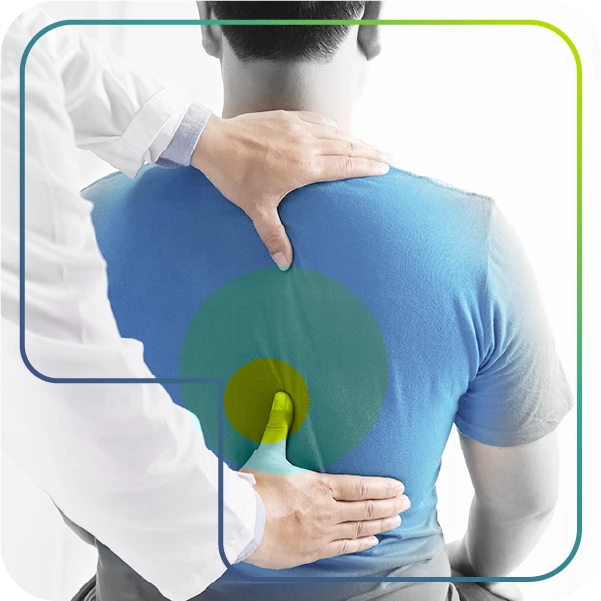
Evidence‑based treatment for low back pain, sciatica, disc issues, and SI joint dysfunction. Reduce pain, improve strength, and get moving comfortably again.
Back pain is one of the leading causes of lost work days worldwide, but the good news is that most cases respond extremely well to physiotherapy. Treatment aims to calm irritation, restore mobility, and strengthen the deep stabilising muscles that support the spine. For sciatica or nerve‑related symptoms, physiotherapy helps reduce irritation and improve nerve mobility, often preventing the need for more invasive interventions.
Common conditions treated:
– Low back pain
– Sciatica
– Sacroiliac joint dysfunction
– Pain associated with disc herniation
– Issues associated with spinal stenosis

Holistic physiotherapy across specialist fields including postoperative rehab, elderly care, paediatrics, neurology, respiratory physio, and oncology support.
Physiotherapists work across a vast range of specialist areas that extend far beyond muscles and joints. These roles are often categorised by the body system they treat — such as the brain, heart, and lungs — or by the specific population they support. This breadth of expertise allows physiotherapy to play a vital role in recovery, long‑term health, and quality of life across all ages.
Specialist areas offered:
– Postoperative rehabilitation
– Elderly care
– Balance and falls rehab
– Paediatrics
– Neurological conditions
– Respiratory physiotherapy
– Oncology and palliative care support
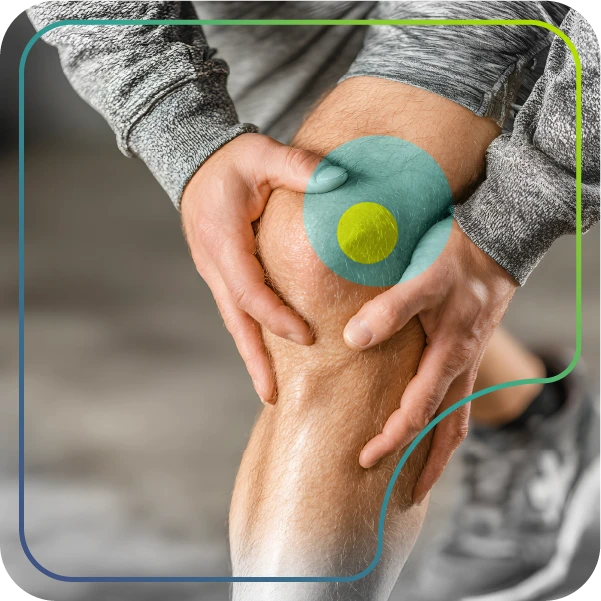
Comprehensive knee physiotherapy for ligament injuries, meniscal tears, runner’s knee, and arthritis. Build strength, stability, and confidence in movement.
Knee pain can arise from sport, overuse, trauma, or age‑related changes. Physiotherapy focuses on restoring strength, alignment, and control of the knee and surrounding muscles. Evidence shows that structured rehab is highly effective for ligament injuries, patellofemoral pain, and early osteoarthritis.
Common conditions treated:
– ACL, MCL, PCL, LCL sprains or tears
– Meniscal injuries
– Patellofemoral pain syndrome (PFPS or ‘runner’s knee’)
– Osteoarthritis
– Patellar tendinopathy (‘jumper’s knee’)
– Knee bursitis
– Osgood–Schlatter disease
– ITB syndrome – Post‑surgical rehabilitation
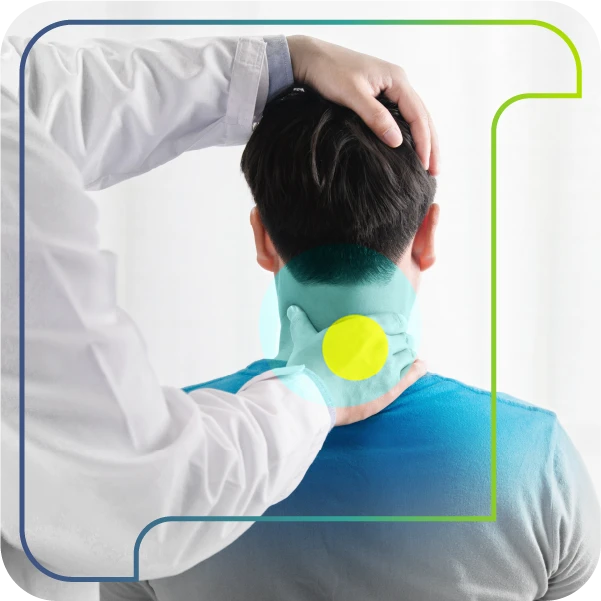
Effective physiotherapy for neck pain, stiffness, whiplash, and pinched nerves. Improve mobility, reduce tension, and restore confident, pain‑free movement.
Neck pain is incredibly common, often linked to modern lifestyles that involve prolonged sitting, screen use, or poor sleep posture. Physiotherapy focuses on restoring normal movement of the cervical spine, reducing muscle tension, and improving postural control. Evidence consistently shows that a combination of hands‑on treatment and targeted exercise is the most effective approach for both acute and persistent neck issues.
Common conditions treated:
– Neck pain
– Whiplash
– Muscle strains
– Trigger point pain
– Nerve impingement or radiculopathy (pinched nerve)
– Torticollis (wry neck)
– Cervical postural syndrome
– Cervical spondylosis
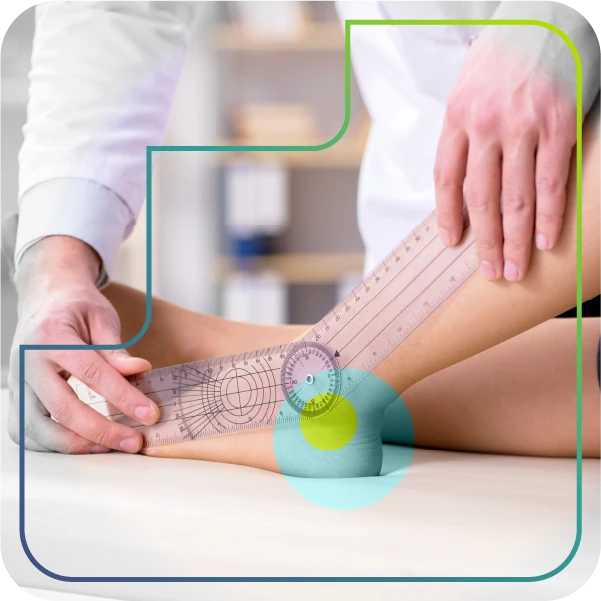
Targeted treatment for ankle sprains, plantar fasciitis, Achilles issues, and foot pain. Restore balance, mobility, and the ‘spring’ in your step.
The ankle and foot absorb enormous forces with every step — up to several times your body weight. When these structures are not functioning well, it affects balance, gait, and overall mobility. Physiotherapy helps restore the “spring” in your step by improving joint mobility, tendon strength, and foot mechanics.
Common conditions treated:
– Ankle sprains
– Plantar fasciitis
– Achilles tendinopathy
– Shin splints (MTSS)
– Metatarsalgia
– Posterior tibial tendon dysfunction (PTTD)

Specialist shoulder physiotherapy for frozen shoulder, rotator cuff injuries, impingement, and instability. Improve strength, control, and everyday function.
The shoulder is the most mobile joint in the body — and that freedom of movement comes with vulnerability. Physiotherapy helps restore strength, control, and coordination of the rotator cuff and surrounding muscles. Evidence shows that targeted exercise is as effective as surgery for many common shoulder conditions.
Common conditions treated:
– Frozen shoulder
– Rotator cuff issues (tendinopathy, tears)
– Shoulder impingement syndrome
– Shoulder instability or dislocation
– Bursitis
– AC joint pain
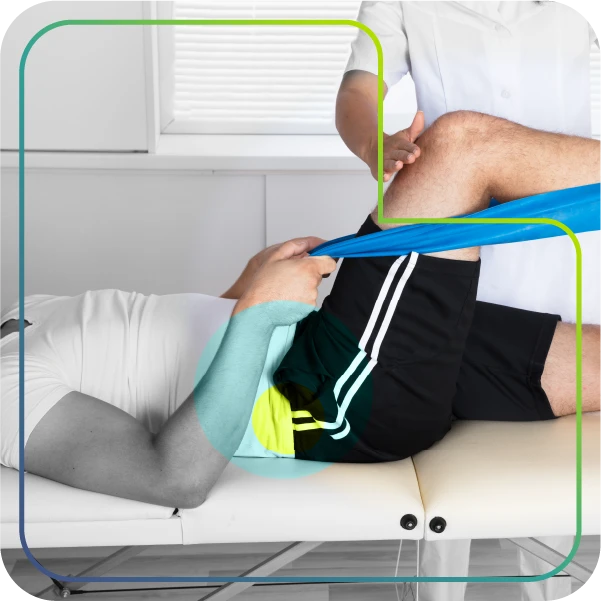
Expert rehab for hip arthritis, bursitis, GTPS, labral tears, and post‑surgery recovery. Improve mobility, strength, and long‑term joint health.
The hip is a powerful weight‑bearing joint, and pain here can affect walking, balance, and overall mobility. Physiotherapy helps improve joint mechanics, strengthen the surrounding muscles, and reduce irritation in the tendons and bursae. Research strongly supports exercise‑based rehab for most hip conditions.
Common conditions treated:
– Arthritic pain
– Post‑hip surgery rehab
– Hip bursitis
– GTPS (greater trochanteric pain syndrome)
– Labral tears
– Femoroacetabular impingement (FAI)
– Muscle strains
– Tendinopathy
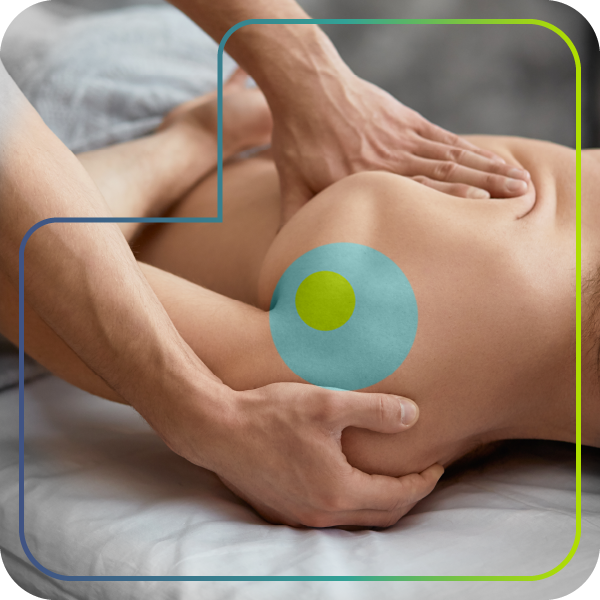
Targeted physiotherapy for mid‑back pain, postural strain, scoliosis, and thoracic outlet issues. Restore mobility and support healthier posture.
The thoracic spine plays a key role in posture, breathing mechanics, and shoulder function. Pain here often stems from stiffness, muscular overload, or prolonged slouched ‘computer screen’ positions. Physiotherapy helps restore mobility through manual therapy, movement retraining, and strengthening of the postural muscles that support the mid‑back.
Common conditions treated:
– Thoracic back pain
– Trigger point pain
– Thoracic postural syndrome
– Kyphosis and scoliosis
– Thoracic outlet syndrome

Advanced physiotherapy assessment for runners, golfers, martial artists, football players, rugby players, gym goers and active individuals. Improve technique, prevent injury, and optimise performance with expert movement analysis. Pre-event tweaks and prep. Post-event assessment and recovery.
Modern physiotherapy goes far beyond treating pain — it also helps athletes and active individuals move with greater efficiency, power, and control. Specialist movement analysis uses high‑level clinical assessment, biomechanics, and sport‑specific testing to identify the root cause of performance issues, recurring injuries, or technique limitations.
Whether you’re a runner struggling with form, a golfer chasing consistency, or a martial artist wanting to move with more precision, this type of assessment provides a detailed breakdown of how your body moves — and where it can move better.
This service is ideal for anyone who wants a deeper understanding of their movement patterns, from weekend warriors to competitive athletes.
Services offered:
– Running gait analysis
– Golf injury prevention and treatment
– Martial arts movement and technique screening
– Biomechanical assessment for sport‑specific demands
– Strength, mobility, and control testing
– Injury prevention screening
– Load management and training advice
– Personalised exercise programmes to optimise performance
– Troubleshooting recurring or unexplained injuries
– Return‑to‑sport planning and progression.

Treatment for tennis elbow, golfer’s elbow, bursitis, and nerve compression. Reduce irritation, restore tendon health, and get back to pain‑free activity.
Elbow pain often develops from repetitive strain, gripping tasks, or sudden overload. Physiotherapy focuses on reducing irritation, improving tendon health, and restoring strength in the forearm and upper limb. Education and load management are key evidence‑based components of recovery.
Common conditions treated:
– Tennis elbow (lateral epicondylitis)
– Golfer’s elbow (medial epicondylitis)
– Elbow bursitis
– Cubital tunnel syndrome
– Ligament sprains and tears (UCL)
– Post‑fracture or dislocation rehab
– Osteoarthritis.